


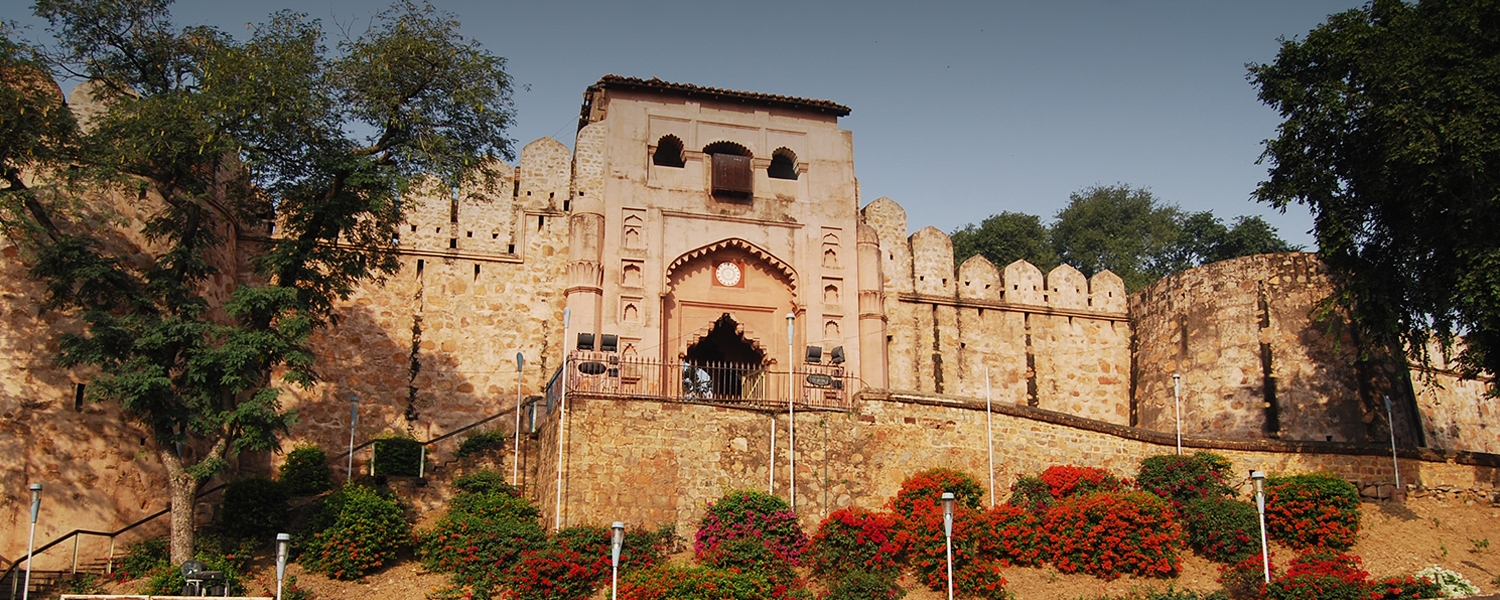
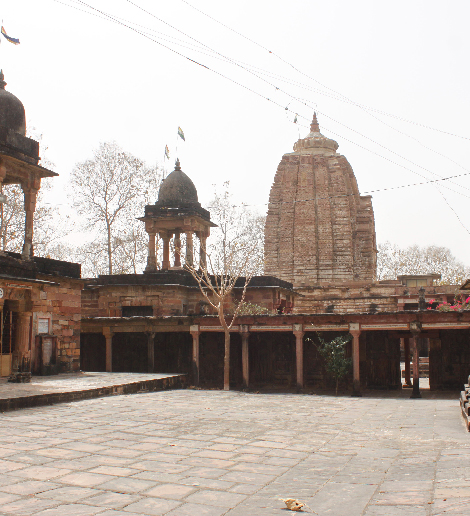
Jhansi is the gateway to the legendary Bundelkhand region known for valour and courage. It was a stronghold of the Chandela kings but lost its glory after the downfall of the dynasty in 12th century. It rose to prominence again in the 17th century under King Bir Singh Judeo of Orchha However, its greatest claim to fame is its fiery Queen Rani Laxmibai, who along with Jhalkari Bai, Gaus Khan and others, led forces against the British in 1857, and sacrificed her life for the cause of India's independence when she was only about 22 years old. She was an example of leadership and courage. She also raised an army of about 1000 women who were trained in horse-riding and using arms and ammunition. A picturesque town, Jhansi is overseen by the majestic Jhansi Fort. Great writers like Acharya Mahavir Prasad Dwivedi, Maithilisharan Gupta, Vrindavan Lal Verma, Siyaramsharan Gupt and hockey wizard Dhyan Chand have added glory to the city. The Jhansi Festival, held every year in February-March offers a fine opportunity to enjoy the arts, crafts and culture of the region. Deogarh It is situated along the Betwa river and at the western end of Lalitpur town in a natural forest area. t had its place in glory during the rule of Gupta dynasty, the Gurjara-Pratiharas, the Gondas, the Marathas and the Muslims rulers of Delhi. Here one finds the remains of a magnificent Dashavatar temple dating to 5th century Gupta period is a major attraction, in addition to several jain temples. The architecture of these temples displays a high level of craftsmanship. There are about 2000 sculptures at one place in Deogarh, which is probably the only collection of its kind in the world. The amazing rock cut caves at Siddha-ki-Gufa date back to 6th century. Going down the steep steps at Naharghati at the east end of the Deogarh fort to the Betwa river is a memorable experience.


 Back
Back


